Sleep and Fat Loss: Why the Connection Matters
When people think about fat loss, the first things that come to mind are usually diet and exercise. While both are essential, there’s a third factor that’s just as important but often overlooked: sleep.
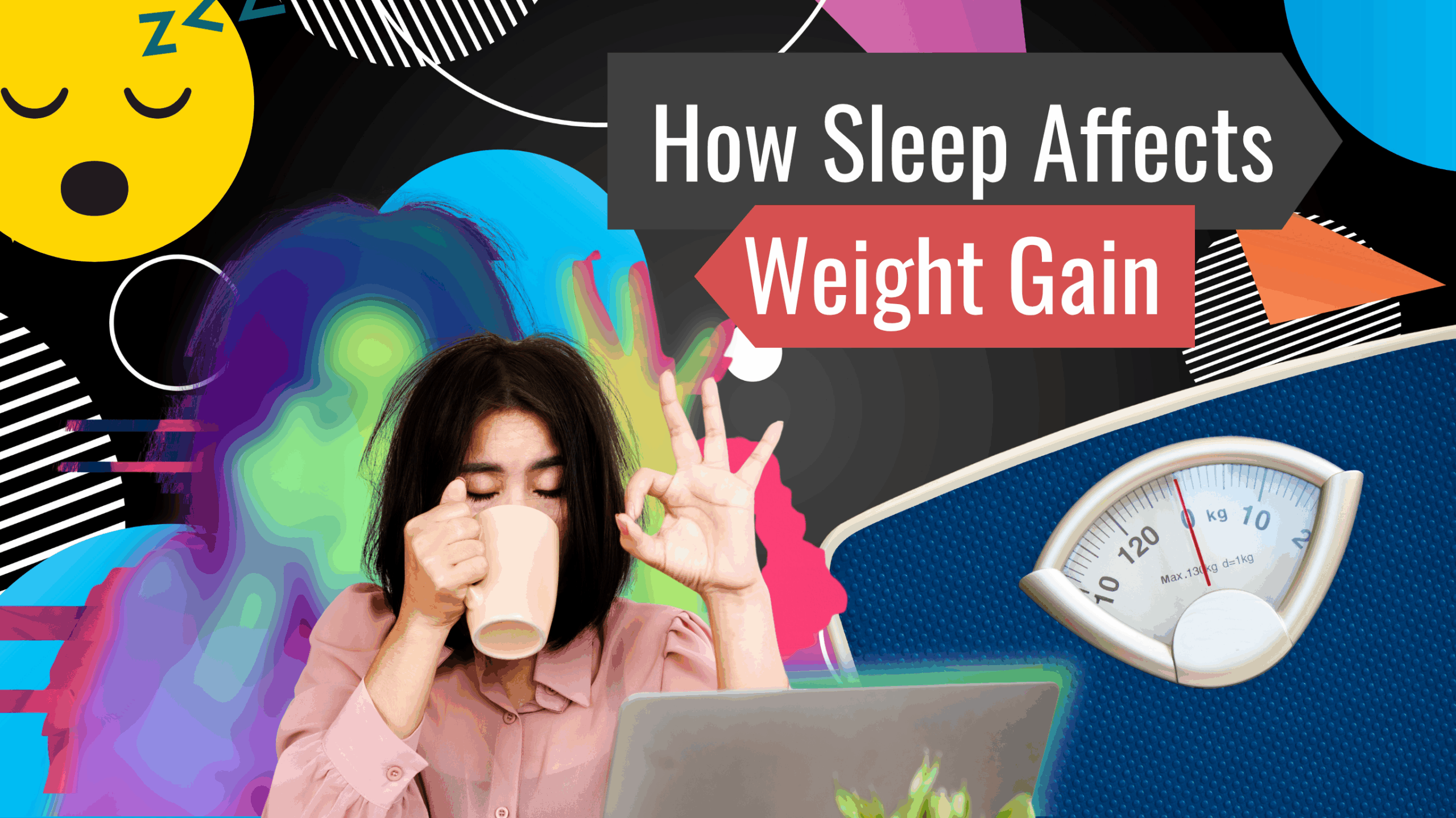
You might be hitting the gym and eating well, but if you’re skimping on sleep, your results could be slowing down without you realising it. Many studies suggest that insufficient sleep can make fat loss harder, slow down your metabolism, and even increase your chances of gaining weight. That brings us to the question many ask: Does a lack of sleep cause weight gain? The short answer is yes, it can. But the “why” is where things get interesting.
Sleep isn’t just about resting your body. It’s a crucial time when your brain processes information, your muscles repair, and your hormones reset. Without enough of it, your body struggles to stay in balance, and that imbalance can impact everything from your food cravings to your workout performance.
How Sleep Influences Metabolism, Hormones, and Hunger
One of the biggest ways sleep impacts fat loss is through its effect on your metabolism and hormones. When you don’t get enough rest, your body’s ability to use energy efficiently is compromised. You may burn fewer calories at rest and during activity, making it harder to maintain a calorie deficit.
Two hormones, in particular, play a starring role here: ghrelin and leptin. Ghrelin tells you when you’re hungry, and leptin tells you when you’re full. When you’re sleep-deprived, ghrelin levels go up and leptin levels go down—meaning you feel hungrier, even when your body doesn’t need more fuel. This is one of the reasons why tiredness often leads to overeating.
Sleep also affects cortisol, the stress hormone. Elevated cortisol levels encourage your body to store more fat, especially around the midsection. Chronic lack of sleep keeps cortisol high, creating an environment where fat loss becomes much harder.
So, when people ask does a lack of sleep cause weight gain, the hormonal changes alone make a compelling case for “yes.” You’re more likely to eat more, crave high-calorie foods, and store extra fat.
The Role of Sleep in Workout Performance and Recovery
Fat loss isn’t just about what happens in the kitchen; it’s also about what happens during your workouts. The quality of your training sessions and how well you recover afterwards both play a huge role in your progress, and sleep impacts both.
When you’re sleep-deprived, your physical performance often suffers. You may find it harder to lift heavy weights, push through cardio sessions, or maintain good form. This means you burn fewer calories during workouts and risk injury from fatigue-related mistakes.
Recovery is another big piece of the puzzle. During deep sleep, your body releases growth hormone, which helps repair muscles, strengthen tissues, and encourage fat burning. Without enough quality sleep, you don’t get the same recovery benefits, which can lead to slower progress and a higher risk of burnout.
In other words, if you’re trying to lose fat and improve fitness, cutting back on sleep is like running a race with one shoe missing—you can still move forward, but it’s going to be slower and a lot more uncomfortable.
Sleep Quality vs. Sleep Quantity: What Really Counts

When it comes to sleep and fat loss, it’s not just about how many hours you log—it’s also about the quality of those hours. You could be in bed for eight hours but still wake up feeling groggy if your sleep is constantly interrupted or you’re not spending enough time in restorative deep and REM sleep.
Deep sleep is when your body does most of its physical repair work—muscle recovery, tissue growth, and energy restoration. REM sleep, on the other hand, is more about cognitive restoration—memory, mood regulation, and learning. Both stages play a role in keeping your body and mind in optimal condition for fat loss.
Poor-quality sleep can be caused by stress, late-night screen time, caffeine, alcohol, or even an uncomfortable sleep environment. These factors can prevent you from getting the restorative rest you need, even if you’re technically getting “enough” sleep hours.
This is why people often ask, “If I sleep the right number of hours, why am I still tired?” The answer usually lies in sleep quality. Improving both the duration and quality of your sleep can make a noticeable difference in energy levels, appetite control, and overall fat loss progress.
Better Sleep Habits to Support Your Fat Loss Goals

If you’ve been wondering does a lack of sleep cause weight gain and see yourself in the scenarios above, the good news is you can make changes to improve your sleep and support fat loss at the same time. Here are some practical tips:
1. Set a Consistent Sleep Schedule
Go to bed and wake up at the same time every day, even on weekends. This helps regulate your body’s internal clock.
2. Create a Wind-Down Routine
Spend the last 30–60 minutes before bed doing relaxing activities—reading, stretching, or meditation. Avoid stimulating activities like intense workouts or scrolling through your phone.
3. Limit Caffeine and Alcohol
Caffeine can stay in your system for up to eight hours, making it harder to fall asleep. Alcohol may make you drowsy initially but disrupts sleep quality later in the night.
4. Optimize Your Sleep Environment
Keep your bedroom cool, dark, and quiet. Invest in a comfortable mattress and pillow. Even small changes, like blackout curtains or a white noise machine, can make a big difference.
5. Manage Stress
High stress levels can keep you awake at night and elevate cortisol, making fat loss harder. Journaling, yoga, or breathing exercises can help reduce stress before bed.
6. Get Morning Sunlight
Natural light in the morning helps regulate your circadian rhythm, making it easier to fall asleep at night.
7. Keep Evenings Screen-Free (or Use Blue Light Filters)
Blue light from screens can delay melatonin production, making it harder to fall asleep. If avoiding screens isn’t possible, use blue light blocking glasses or apps.
Final Thoughts
When it comes to fat loss, sleep isn’t a luxury—it’s a necessity. So, does a lack of sleep cause weight gain? The evidence strongly suggests it can, through its impact on hormones, hunger, metabolism, workout performance, and recovery. Even if you’re eating well and exercising regularly, poor sleep can quietly hold you back from seeing the results you want.
The good news is that improving your sleep doesn’t require extreme measures. By making small, consistent changes to your habits and environment, you can improve your sleep quality, support your fat loss goals, and feel more energized in the process.
So tonight, instead of staying up for “just one more” episode, consider heading to bed on time—your body, mind, and waistline will thank you.