Alcohol and Fat Loss: Understanding the Connection
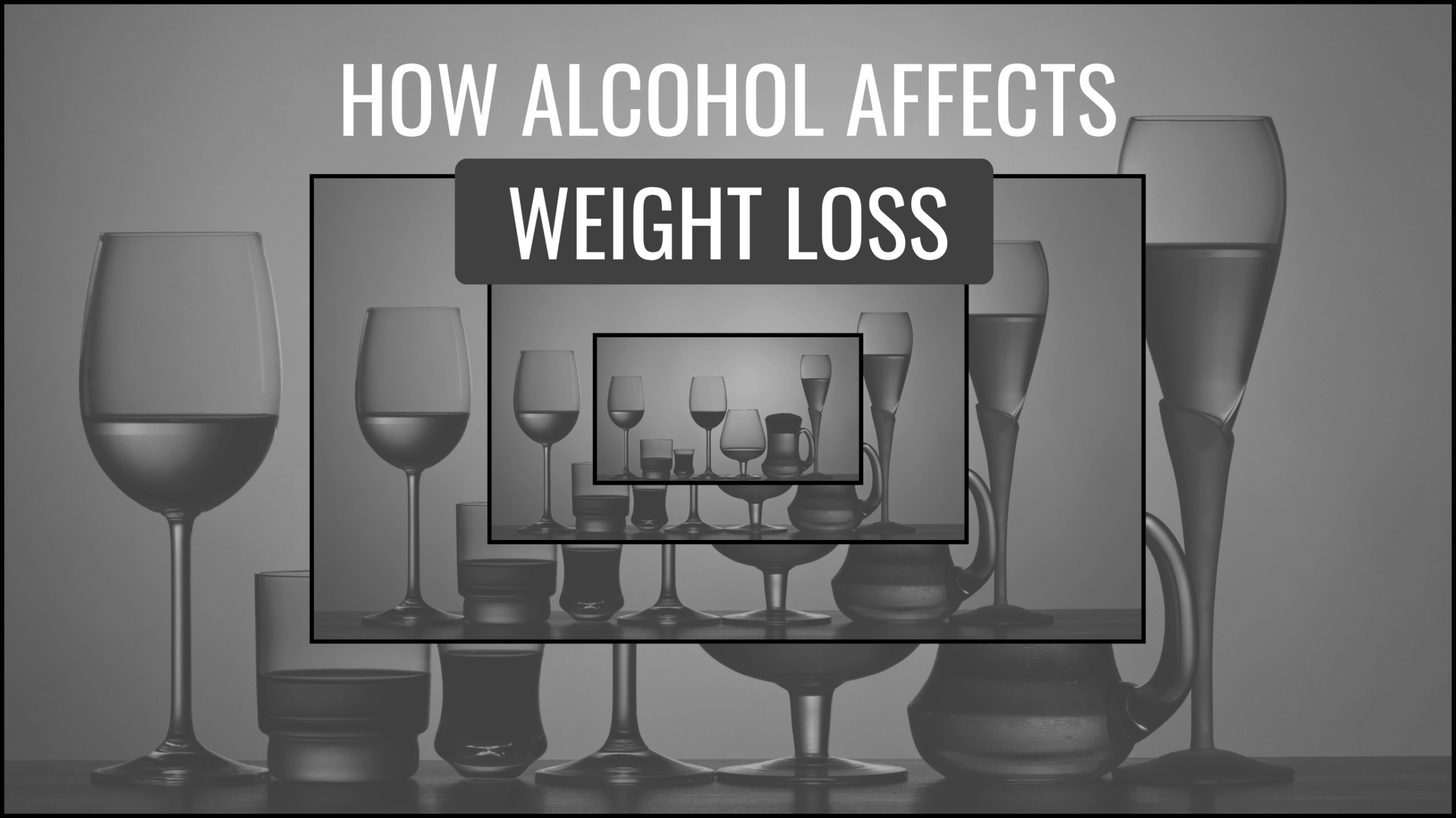
How does alcohol affect weight gain? The big question that is the most misunderstood by beginners in fitness. Many people assume that the occasional drink won’t hurt their fat loss progress, but the relationship between alcohol and your body is more complicated than it seems. While one night out won’t instantly undo weeks of effort, regular or excessive drinking can quietly slow your results, sometimes in ways you wouldn’t expect.
Alcohol affects weight management on multiple levels — from how your body processes energy to how you sleep, recover, and make food choices. Even moderate drinking can influence your metabolism, hormones, and appetite. By understanding these effects, you can make more informed decisions about when, what, and how much you drink, without completely giving up social occasions or the enjoyment of a favourite beverage.
Before we dive into the science, it’s worth noting that fat loss is always about creating a sustainable calorie deficit — burning more energy than you consume. Alcohol doesn’t change this principle, but it can make it much harder to maintain. The key is to understand exactly how it interferes with your body’s ability to burn fat efficiently.
How Drinking Affects Your Body and Fat-Burning Ability
When you drink alcohol, your body treats it differently from any other nutrient. Unlike protein, carbs, or fats — which can be stored for later use — alcohol can’t be stored in the body. Because it’s seen as a toxin, your system prioritises breaking it down and eliminating it over everything else.
Here’s where it gets tricky for fat loss: while your body is processing alcohol, it temporarily puts fat burning on hold. Instead of using stored fat for energy, your metabolism focuses on clearing alcohol from your system. Studies suggest that fat oxidation (your body’s ability to use fat for fuel) can drop significantly for several hours after drinking.
This doesn’t mean that every sip of wine or beer instantly turns into fat. However, it does mean that during the hours after drinking, your body is less likely to tap into stored fat. Combine this with extra calories from alcohol and food consumed while drinking, and the balance can quickly tip toward fat gain over time.
Alcohol can also affect hormones related to weight regulation. For example, excessive drinking can reduce testosterone levels in men and disrupt estrogen balance in women. Both hormones play important roles in muscle preservation and fat distribution. Less muscle and more fat storage over time is not the direction most people want to go.
Calories, Cravings, and the Food Choices Alcohol Influences

Even if alcohol didn’t directly interfere with fat oxidation, it would still pose a challenge for weight loss because of the calories it adds to your diet. Alcohol itself contains 7 calories per gram — nearly as calorie-dense as fat (which has 9). That means just two standard glasses of wine can add roughly 250–300 calories to your daily total, and that’s without considering any mixers, snacks, or meals you might have alongside it.
The real issue is how drinking affects your appetite and decision-making. Alcohol lowers inhibitions, making it easier to justify that extra slice of pizza or late-night fast food stop. It also stimulates hunger hormones like ghrelin, which can make you feel hungrier than you actually are. Combine lowered willpower with increased appetite, and you have the perfect storm for overeating.
Think about the last time you had a few drinks — were your food choices the same as when you’re sober? Probably not. It’s likely that high-fat, high-salt, and high-carb foods suddenly seem more appealing because alcohol impacts the brain’s reward system, making indulgent foods even more satisfying in the moment. Unfortunately, these choices can push you into a calorie surplus before you realise it, which can derail fat loss efforts if it becomes a regular habit.
The Impact on Sleep, Recovery, and Exercise Performance
When it comes to alcohol affecting weight loss, sleep and recovery are often overlooked factors. While alcohol might make you feel drowsy, it disrupts your sleep quality, especially the restorative REM stage. Poor-quality sleep can leave you feeling fatigued, increase cravings for high-calorie foods, and reduce your motivation to exercise — all of which indirectly affect weight loss.
Alcohol can also impair recovery from workouts. Resistance training and cardio create small amounts of stress and muscle damage in the body, which is a normal and necessary part of getting stronger and fitter. Drinking can slow this repair process by interfering with protein synthesis and hydration, leaving you less prepared for your next training session.
Speaking of hydration, alcohol is a diuretic, meaning it increases fluid loss through urine. Even mild dehydration can reduce physical performance, impact focus, and make workouts feel harder than they need to be. If your goal is to train at your best and burn more calories, dehydration from drinking the night before can seriously work against you.
Guidelines for Responsible Alcohol Use
Responsible alcohol use means understanding your limits and making choices that protect your health in the short and long term. Many health authorities, including the UK’s Chief Medical Officers, recommend drinking no more than 14 units of alcohol per week, spread evenly over several days, with alcohol-free days in between. Avoid binge drinking, pace yourself by alternating alcoholic drinks with water, and eat before and during drinking to slow absorption. If you have certain health conditions, are pregnant, or are taking medication, the safest option is often to avoid alcohol altogether.
What Is 1 Unit of Alcohol?
One unit of alcohol is a standard way of measuring the pure alcohol content in a drink, making it easier to track your intake. In the UK, for example, one unit equals 10 millilitres (8 grams) of pure ethanol. This is around the amount of alcohol the human liver can break down within one hour. The number of units in a drink depends on both its strength (ABV — alcohol by volume) and its volume. To calculate it, you multiply the drink’s ABV by its volume in millilitres, then divide by 1,000. For instance, a 125ml glass of wine at 12% ABV contains 1.5 units, while a half pint (284ml) of beer at 3.5% ABV contains about 1 unit. This system helps you compare different drinks and stay within recommended health guidelines.

Smart Drinking Tips for Staying on Track with Fat Loss
The good news is, you don’t have to give up alcohol completely to make progress with fat loss. The key is to be strategic and mindful about when and how you drink. Here are some practical tips:
- Set Limits Before You Start Drinking
Decide in advance how many drinks you’ll have and stick to it. This helps you avoid unplanned overconsumption. - Choose Lower-Calorie Options
Opt for spirits with calorie-free mixers like soda water, or go for light beers and dry wines over sugary cocktails. - Alternate Alcohol with Water
This not only keeps you hydrated but also slows down your drinking pace. - Eat Before You Drink
Having a balanced meal with protein, healthy fats, and fibre can help control appetite and slow alcohol absorption. - Plan Your Meals the Next Day
If you know you’re drinking tonight, prep healthy food for the morning to avoid greasy, calorie-loaded “hangover meals.” - Schedule Rest Days Around Drinking Nights
If you train hard, consider planning lighter or rest days after a night out to give your body more time to recover.
Final Thoughts
So, how does alcohol affect weight loss? It’s not just about the calories in the glass; it’s about how alcohol changes your body’s priorities, slows fat burning, increases cravings, disrupts sleep, and affects recovery. While the occasional drink won’t ruin your progress, regular or excessive drinking can make fat loss more complicated than it needs to be.
The key is balance. By understanding how alcohol interacts with your metabolism, hormones, and habits, you can make smarter choices that allow you to enjoy a drink without completely derailing your fat loss journey. Moderation, mindfulness, and planning ahead are your best tools for staying on track.
To find out more about optimising your nutrition and physical training, click here.